
Healthy Things to Eat for Better Nutrition and Everyday Wellness
 Jessica Collins
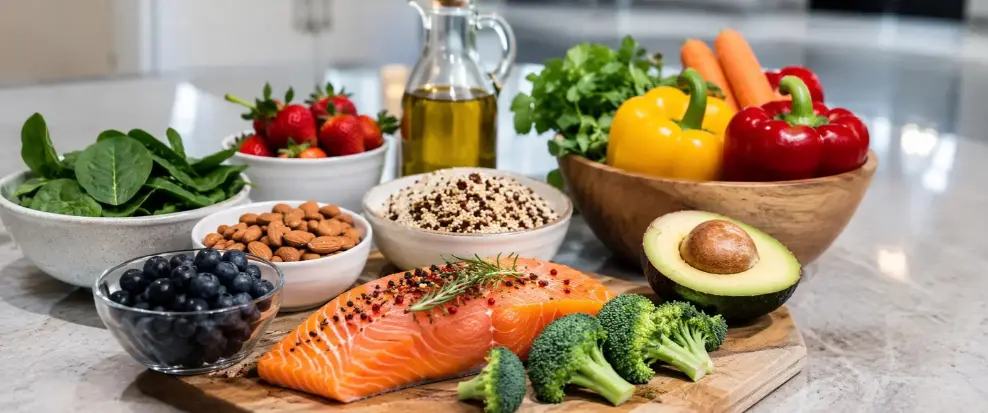
Choosing the right foods can make a big difference in your overall health. The best healthy things to eat include fresh fruits, vegetables, whole grains, nuts, and protein-rich foods. These options provide essential nutrients that support energy, digestion, and overall wellness. If you are looking for the best healthy foods to include in your daily routine, this guide covers 15 nutritious choices, their benefits, and simple ways to add them to your meals.
15 Healthy Foods to Include in Your Daily Diet
A healthy diet includes a variety of foods rather than relying on a few popular ingredients. These 15 options offer different nutrients and can fit into everyday meals.
Fatty Fish
Salmon, sardines, and trout provide protein and omega-3 fatty acids, which support heart and brain health. Add grilled or baked fish to your lunch or dinner a couple of times a week.
Broccoli
Broccoli is a nutrient-rich vegetable containing fiber, vitamin C, vitamin K, and beneficial plant compounds. Steam, roast, or add it to soups and stir-fries to make meals more nutritious.
Beets
Beets provide folate, fiber, potassium, and natural nitrates. Their nutrients make them a useful addition to a varied diet. Enjoy them roasted, boiled, or sliced into salads.
Spinach and Other Leafy Greens
Spinach, kale, and other leafy greens contain vitamins A, C, and K, as well as folate and fiber. Add them to omelets, sandwiches, soups, or smoothies for an easy way to increase vegetable intake.
Peanut Butter
Natural peanut butter provides protein, healthy fats, and vitamin E. Choose varieties without added sugar or excessive salt, and spread a small amount on whole-grain toast or pair it with apple slices.
Almonds
Almonds contain unsaturated fats, fiber, protein, magnesium, and vitamin E. A small handful makes a convenient snack, or you can add chopped almonds to oatmeal and yogurt.
Mangoes
Mangoes provide vitamin C, vitamin A, fiber, and natural antioxidants. Enjoy fresh mango as a snack, add it to fruit salads, or blend it into a smoothie without extra sugar.
Blueberries
Blueberries are rich in fiber, vitamin C, and anthocyanins, which are antioxidant plant compounds. Add them to breakfast cereals, plain yogurt, or smoothies.
Quinoa
Quinoa is a whole-grain alternative that provides fiber, minerals, and plant-based protein. Use it in grain bowls, salads, or as a replacement for rice in everyday meals.
Beans and Lentils
Beans, chickpeas, and lentils provide plant protein, fiber, iron, and folate. They are also affordable ingredients for soups, curries, salads, and other filling meals.
Oats
Oats contain soluble fiber, including beta-glucan, which can help support healthy cholesterol levels. Prepare oatmeal with milk or yogurt and add fruit, nuts, or seeds.
Sweet Potatoes
Sweet potatoes provide fiber, potassium, and beta-carotene, which the body converts into vitamin A. Bake or roast them as a nutritious side dish instead of relying on heavily processed alternatives.
Plain Yogurt
Plain yogurt provides protein, calcium, and vitamin B12. Some varieties also contain live cultures. Choose unsweetened yogurt and add fruit, almonds, or chia seeds for extra nutrients.
Pickled Vegetables
Pickled cucumbers, carrots, and other vegetables can add flavor and variety to meals. Some traditionally fermented vegetables contain live microorganisms, but not all pickled foods are probiotic. Check labels for sodium content and enjoy them in moderate portions.
Dark Chocolate
Dark chocolate contains cocoa flavanols and other plant compounds. Choose varieties with a higher cocoa percentage and enjoy a small portion, as chocolate can still contain added sugar and calories.
How to Add Healthy Things to Eat to Your Daily Diet
You do not need to change your entire eating routine to make healthier choices. Small adjustments can help you build balanced meals.
- At breakfast: Choose oats, eggs, plain yogurt, or whole-grain toast with peanut butter.
- At lunch: Include vegetables, beans, lentils, fish, or another protein source.
- For snacks: Choose apples, mangoes, blueberries, or a small handful of almonds.
- At dinner: Add leafy greens, broccoli, sweet potatoes, or quinoa to your meal.
- For variety: Try different fruits, vegetables, nuts, and protein sources throughout the week.
Planning meals ahead can also help you make better food choices and reduce food waste.
What Kind of Food Does Your Body Need?
Your body needs different nutrients to support its daily functions. Instead of focusing on one particular food, include a variety of food groups in your diet.
- Protein: Fish, eggs, beans, lentils, and yogurt support muscle growth and repair.
- Carbohydrates: Whole grains, fruits, and vegetables provide energy.
- Healthy fats: Nuts, seeds, olive oil, and fatty fish provide essential fatty acids.
- Vitamins and minerals: Fruits and vegetables supply important micronutrients.
- Fiber: Oats, legumes, whole grains, and produce support digestive health.
Eating a variety of foods helps provide the nutrients your body needs.
What Foods to Eat for a Balanced Diet?
The Mediterranean diet is one well-known example of a balanced eating pattern. It emphasizes vegetables, fruits, whole grains, beans, nuts, olive oil, and fish while limiting highly processed foods and excess added sugar.
You do not need to follow a strict meal plan to use these principles. A simple daily meal pattern could look like this:
| Meal | Healthy food choices |
|---|---|
| Breakfast | Oatmeal with blueberries and almonds |
| Lunch | Lentils, leafy greens, and whole-grain bread |
| Snack | Mango slices or plain yogurt |
| Dinner | Baked fish, broccoli, and sweet potatoes |
Choose portions that suit your nutritional needs, activity level, and personal preferences.
Frequently Asked Questions
What is the best food to eat first thing in the morning?
The best foods to eat first thing in the morning provide a balance of protein, fiber, and healthy fats to support steady energy, help manage hunger, and keep you feeling full.
What is the 3-3-3 rule for healthy eating?
The best foods to eat first thing in the morning provide a balance of protein, fiber, and healthy fats to support steady energy, help manage hunger, and keep you feeling full.
How to eat 100% healthy?
Eating 100% healthy all the time is not realistic or necessary for long-term wellness. Instead, focus on a balanced, nutrient-dense eating pattern that includes whole foods, variety, and flexibility.
What foods are good for gums?
Eating a diet rich in essential vitamins, fiber, and anti-inflammatory nutrients can help support gum health, reduce inflammation, and maintain healthy gum tissue.
What foods are healthy to eat every day?
A balanced daily diet includes nutrient-dense whole foods that provide essential vitamins, minerals, fiber, and healthy fats while limiting excess added sugars, sodium, and saturated fats.
Final Thoughts
Healthy eating is about variety, balance, and consistency. Include different fruits, vegetables, whole grains, protein sources, and healthy fats in your meals. Choose foods you enjoy and build simple eating habits that you can maintain over time.
Stay Updated
Get weekly RCM insights, trends and expert strategies delivered to your inbox.