
How to Get More Protein Without Eating Too Many Calories
 Jessica Collins
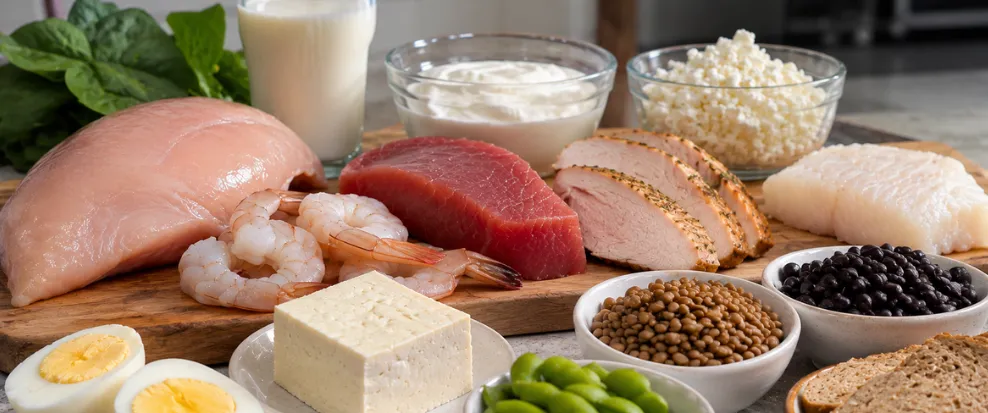
Getting enough protein does not mean eating large portions or adding unnecessary calories to your meals. Many high protein low calorie foods provide substantial protein while keeping calorie intake relatively low. Choosing these foods can help support muscle maintenance, weight management, and everyday nutritional needs.
Lean meats, seafood, eggs, dairy products and plant-based foods are all useful protein sources. However, their protein and calorie content can vary depending on serving size, preparation method, and ingredients.
This guide compares 15 protein-rich foods, explains their nutritional benefits, and shows how to include them in balanced everyday meals.
15 High Protein Low Calorie Foods to Include in Your Diet
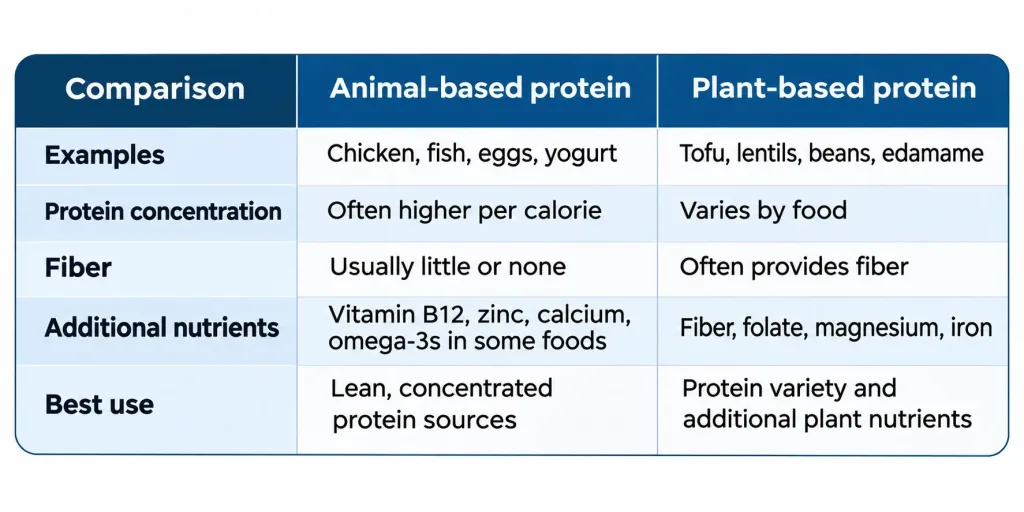
The following options provide different amounts of protein, calories, and other nutrients. Animal-based options generally offer more protein per calorie, while plant-based foods also contribute fiber, minerals, and other beneficial nutrients.
Nutritional figures below are approximate estimates for the stated servings.
Chicken Breast
Chicken breast is one of the most practical lean protein sources. Skinless chicken breast contains relatively little fat and provides all nine essential amino acids.
- Serving size: 3 oz cooked
- Protein: Approximately 26 g
- Calories: Approximately 128
- Other nutrients: Niacin, vitamin B6, selenium and phosphorus.
Why choose it? Its high protein content makes it useful for muscle maintenance and balanced meals. Grilled or baked chicken works well in salads, wraps, and rice bowls.
Shrimp
Shrimp provides a considerable amount of protein for relatively few calories. It also contains vitamin B12, selenium and iodine.
- Serving size: 3 oz cooked
- Protein: Approximately 20 g
- Calories: Approximately 84
- Other nutrients: Vitamin B12, selenium, iodine, and phosphorus.
Why choose it? Shrimp is particularly useful when you want a protein-rich meal without adding many calories. Boiled, steamed, or grilled shrimp can be added to salads and seafood bowls.
Tuna
Tuna is a convenient seafood option that provides protein and important nutrients. Canned light tuna in water is especially practical for quick meals.
- Serving size: 3 oz canned light tuna, drained
- Protein: Approximately 20–22 g
- Calories: Approximately 100–110
- Other nutrients: Vitamin B12, selenium, and omega-3 fatty acids
Why choose it? Tuna works well in sandwiches, salads, and wraps. Choose water-packed varieties when you want to limit added calories. Tuna types differ in mercury levels, so follow FDA and EPA fish-consumption advice.
Turkey Breast
Skinless turkey breast is another lean meat that provides substantial protein without a large amount of fat.
- Serving size: 3 oz cooked
- Protein: Approximately 25 g
- Calories: Approximately 125
- Other nutrients: Vitamin B6, niacin, selenium, and phosphorus.
Why choose it? It is a useful alternative to chicken and can be included in sandwiches, salads, and meal-preparation recipes.
Cod
Cod is a mild-flavored white fish with a high protein-to-calorie ratio. It is naturally low in fat and provides several important nutrients.
- Serving size: 3 oz cooked
- Protein: Approximately 19 g
- Calories: Approximately 89
- Other nutrients: Vitamin B12, selenium, and phosphorus.
Why choose it? Cod is suitable for people who prefer lighter seafood meals. Baking or steaming it with vegetables makes a balanced meal.
Egg Whites
Egg whites contain most of an egg’s protein but very little fat. They are also easy to combine with other nutritious ingredients.
- Serving size: 3 large egg whites
- Protein: Approximately 11 g
- Calories: Approximately 51
- Other nutrients: Riboflavin and small amounts of potassium and selenium.
Why choose them? Egg whites provide protein with very few calories. Add spinach, tomatoes, mushrooms, or peppers to make a more satisfying breakfast.
Nonfat Greek Yogurt
Nonfat Greek yogurt is a convenient dairy-based protein source. Its thicker texture comes from straining, which removes some of the liquid and concentrates the protein.
- Serving size: 170 g
- Protein: Approximately 17 g
- Calories: Approximately 100
- Other nutrients: Calcium, vitamin B12, and phosphorus.
Why choose it? It works as breakfast, a snack, or a base for dips and sauces. Choose plain, unsweetened varieties to avoid unnecessary added sugar.
Low-Fat Cottage Cheese
Cottage cheese provides protein, calcium, and other nutrients. Its protein content can vary depending on the fat level and brand.
- Serving size: ½ cup
- Protein: Approximately 12–14 g
- Calories: Approximately 90–110
- Other nutrients: Calcium, phosphorus, and vitamin B12.
Why choose it? It is an easy snack that can be paired with fruit or vegetables. Check the nutrition label because sodium content can vary between products.
Tilapia
Tilapia is a lean white fish with a mild taste. It provides a good amount of protein and is generally low in fat.
- Serving size: 3 oz cooked
- Protein: Approximately 22 g
- Calories: Approximately 109
- Other nutrients: Vitamin B12, selenium, and phosphorus.
Why choose it? It is versatile and can be grilled, baked, or pan-cooked with a small amount of oil.
Firm Tofu
Tofu is made from soybeans and provides plant-based protein. It also contains iron and other minerals, with nutritional values varying by firmness and brand.
- Serving size: 3.5 oz
- Protein: Approximately 10–17 g
- Calories: Approximately 85–145
- Other nutrients: Iron, calcium (depending on the coagulant), and manganese.
Why choose it? Tofu is useful for people following vegetarian or plant-based diets. Add it to stir-fries, salads, or vegetable bowls.
Edamame
Edamame are young soybeans that provide protein, fiber, and several essential nutrients. Unlike many vegetables, they offer a meaningful amount of plant protein.
- Serving size: ½ cup shelled, cooked
- Protein: Approximately 9 g
- Calories: Approximately 100
- Other nutrients: Fiber, folate, iron, and magnesium.
Why choose it? Edamame makes a convenient snack and can be added to salads, soups, and grain bowls.
Lentils
Lentils are a nutritious plant-based food containing protein, dietary fiber, iron, and folate. They provide fewer grams of protein per calorie than lean meat but offer additional nutritional benefits.
- Serving size: ½ cup cooked
- Protein: Approximately 9 g
- Calories: Approximately 115
- Other nutrients: Fiber, folate, iron, and potassium.
Why choose them? Lentils are useful for vegetarian meals and can be added to soups, salads, and stews.
Black Beans
Black beans provide plant protein alongside fiber and minerals. Their combination of protein and fiber can make meals more filling.
- Serving size: ½ cup cooked
- Protein: Approximately 7–8 g
- Calories: Approximately 110–115
- Other nutrients: Fiber, folate, magnesium, and iron.
Why choose them? They are easy to include in tacos, burrito bowls, soups, and salads.
Seitan
Seitan is a plant-based meat substitute made primarily from wheat gluten. It is often higher in protein than many other plant-based meat alternatives.
- Serving size: 3 oz
- Protein: Approximately 18–21 g
- Calories: Approximately 110–140
- Other nutrients: Iron and some minerals, depending on the product.
Why choose it? Seitan can be used in sandwiches, stir-fries, and meat-free meals. However, it is not suitable for people with celiac disease or wheat-related gluten disorders.
Nonfat Milk
Nonfat milk provides protein, calcium, and vitamin B12 without the fat found in whole milk.
- Serving size: 1 cup
- Protein: Approximately 8 g
- Calories: Approximately 83
- Other nutrients: Calcium, vitamin B12, riboflavin, and often vitamin D when fortified.
Why choose it? It is an easy way to add protein to smoothies, oatmeal, and breakfast meals.
Comparing Protein and Calories in Different Foods
The table below makes it easier to compare common protein sources. Values are estimates and may vary by product and preparation.
| Food | Serving | Protein | Calories |
|---|---|---|---|
| Chicken breast | 3 oz | 26 g | 128 |
| Shrimp | 3 oz | 20 g | 84 |
| Tuna | 3 oz | 20–22 g | 100–110 |
| Turkey breast | 3 oz | 25 g | 125 |
| Cod | 3 oz | 19 g | 89 |
| Egg whites | 3 large | 11 g | 51 |
| Greek yogurt | 170 g | 17 g | 100 |
| Cottage cheese | ½ cup | 12–14 g | 90–110 |
| Tilapia | 3 oz | 22 g | 109 |
| Firm tofu | 3.5 oz | 10–17 g | 85–145 |
| Edamame | ½ cup | 9 g | 100 |
| Lentils | ½ cup | 9 g | 115 |
| Black beans | ½ cup | 7–8 g | 110–115 |
| Seitan | 3 oz | 18–21 g | 110–140 |
| Nonfat milk | 1 cup | 8 g | 83 |
Which Foods Give You the Most Protein for Fewer Calories?
If your main goal is to get more protein without significantly increasing calories, prioritize foods with a high protein-to-calorie ratio.
For example:
- Shrimp: Around 20 g protein per 84 calories.
- Egg whites: Around 11 g protein per 51 calories.
- Cod: Around 19 g protein per 89 calories.
- Chicken breast: Around 26 g protein per 128 calories.
- Turkey breast: Around 25 g protein per 125 calories.
These options provide substantial protein relative to their calorie content. However, this does not mean other foods are less nutritious. Lentils, beans, tofu, and edamame also provide fiber and important micronutrients.
What Is Higher in Protein: Animal or Plant-Based Foods?
Both animal and plant-based foods can contribute to your daily protein intake, but their nutritional profiles differ.
How Much Protein Is in Shrimp?
Shrimp is one of the useful seafood options when you want protein without many calories. A 3-ounce serving of cooked shrimp provides approximately 20 grams of protein and around 84 calories.
It also contains vitamin B12, selenium, and iodine. Boiled, steamed, or grilled shrimp generally avoids the extra calories that can come from breading, butter, and heavy sauces.
For the best comparison, check whether nutrition information refers to raw or cooked shrimp because serving weights and nutrient values differ.
Which Meat Has the Most Protein?
Lean chicken and turkey breast are among the practical high-protein meat choices.
A 3-ounce cooked serving of chicken breast provides approximately 26 grams of protein, while turkey breast provides around 25 grams. Lean pork and certain lean beef cuts can also provide substantial protein, although their calories and fat content vary.
The best choice depends on the cut, portion size, and cooking method. Compare nutrition labels or reliable food database entries rather than judging protein content by the meat’s name alone.
How to Add More Protein Without Eating Too Many Calories
Choosing protein-rich foods is only part of the process. Preparation methods and portion sizes also affect the total calories in a meal.
- Choose lean cuts: Skinless chicken, turkey, and lean fish generally contain less fat than fatty meat cuts.
- Include protein at breakfast: Try egg whites, plain Greek yogurt, or nonfat milk.
- Use lighter cooking methods: Grilling, baking, steaming, and boiling can reduce the need for added fats.
- Plan protein-rich snacks: Cottage cheese, edamame, and Greek yogurt are convenient choices.
- Check sauces and toppings: Butter, creamy dressings and sugary sauces can add calories quickly.
- Include plant proteins: Add lentils, tofu, or beans for protein, fiber, and minerals.
- Pay attention to portions: Even nutritious foods can contribute more calories when eaten in large quantities.
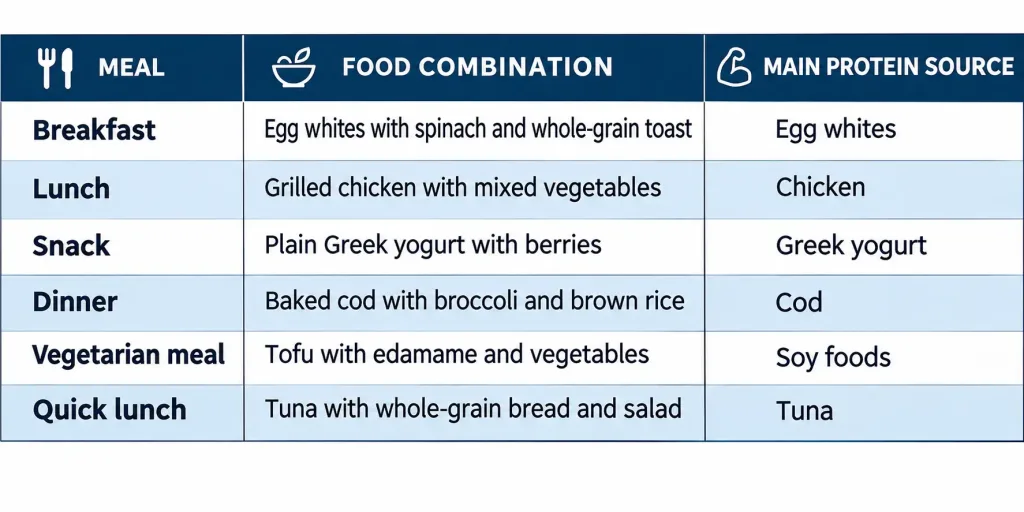
Simple High-Protein Meal Ideas
You can build protein-rich meals using familiar ingredients without following complicated recipes.
How Much Protein Do You Actually Need?
Protein requirements depend on body weight, age, activity level, health status and personal goals.
For generally healthy adults, the recommended dietary allowance is approximately 0.8 grams of protein per kilogram of body weight per day. This is a baseline amount for most adults, not necessarily the ideal intake for every person.
People who exercise regularly, older adults, and those with specific health or recovery needs may require different amounts. Anyone with kidney disease or another condition affecting protein intake should discuss an appropriate target with a healthcare professional.
The goal is to meet your individual needs through a balanced diet rather than simply maximizing protein intake.
Final Thoughts
Getting more protein without eating too many calories starts with choosing foods that provide good nutritional value. Chicken breast, shrimp, tuna, cod, turkey, egg whites, and Greek yogurt are useful options when you want concentrated protein.
Plant-based choices such as tofu, edamame, lentils and beans add variety, fiber and essential nutrients.
Focus on different protein sources, sensible portions, and simple cooking methods. A balanced eating pattern is more useful for long-term health than relying on a single high-protein food.
Medical Disclaimer: This article is for educational purposes only and does not replace personalized medical or nutritional advice from a qualified healthcare professional.
Stay Updated
Get weekly RCM insights, trends and expert strategies delivered to your inbox.