
Are You Eating Healthy but Still Missing Important Nutrients?
 Jessica Collins

Your breakfast is a bowl of oatmeal with fruit. Lunch is a fresh salad, and dinner is something homemade rather than fast food. You’ve cut back on sugar, started reading food labels, and made a real effort to eat better.
On paper, your diet looks pretty healthy.
But here’s a question you may not have considered: Are you actually getting all the nutrients your body needs?
Eating healthy foods and meeting your nutritional needs aren’t always the same thing. You can avoid junk food, eat plenty of vegetables, and still fall short on important vitamins, minerals, or other nutrients.
According to the World Health Organization (WHO), a healthy diet must do more than provide enough calories. It should also deliver essential nutrients in the right amounts while including a variety of foods.
The good news is that improving your nutrition doesn’t necessarily require expensive supplements, complicated meal plans, or completely changing how you eat.
Sometimes, a few thoughtful adjustments can make your diet more balanced.
The Hidden Problem With Some Healthy Diets
When people talk about healthy eating, the conversation often revolves around what to avoid: sugar, fried foods, processed snacks, and excess calories.
But good nutrition is just as much about what you include as what you leave out.
Imagine someone who eats fruit for breakfast, a vegetable salad for lunch, and a small portion of rice with vegetables for dinner.
These foods certainly contribute valuable nutrients. However, depending on the portions and ingredients, this routine might provide too little protein, calcium, vitamin B12, iron, or other nutrients.
This is sometimes described as a nutrient gap, meaning a person’s diet doesn’t consistently provide enough of one or more nutrients.
A diet can also provide enough energy while lacking important micronutrients, such as vitamins and minerals.
That is why counting calories alone tells you very little about overall nutritional quality.
Nutrition Facts That Might Surprise You
One of the most overlooked nutritional problems is inadequate fiber intake.The 2020–2025 Dietary Guidelines for Americans reported that more than 90% of women and 97% of men in the United States did not meet recommended dietary fiber intakes.
How Many U.S. Adults Fell Short on Fiber?
Dietary intake data reported in the 2020–2025 U.S. Dietary Guidelines
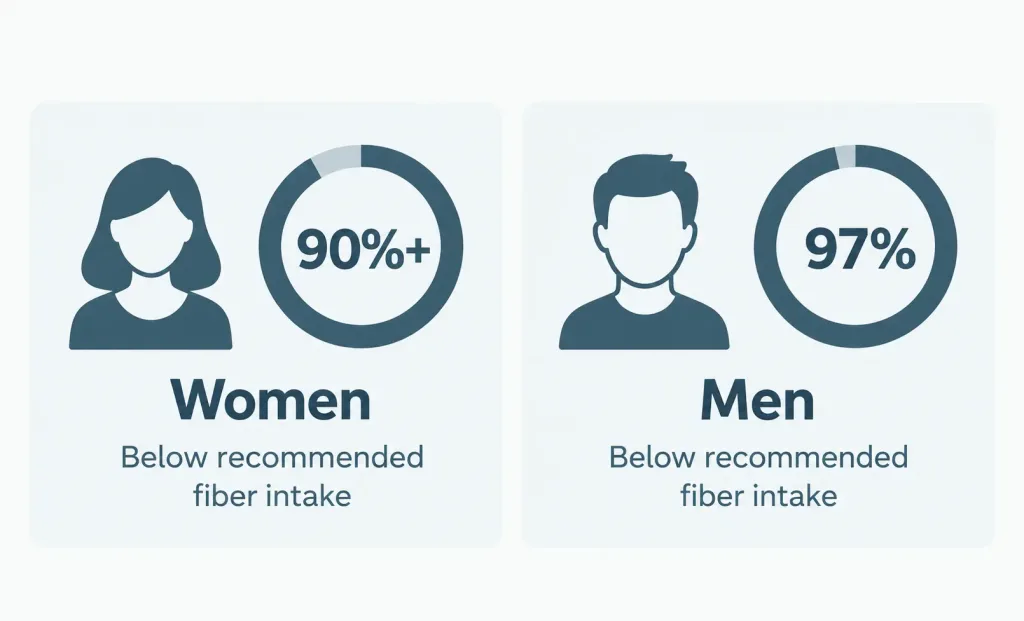
Source: Dietary Guidelines for Americans, 2020–2025. These are U.S. population estimates and do not necessarily represent other countries.
Fiber helps maintain healthy digestion, supports bowel regularity, and can contribute to better cholesterol and blood sugar management.
Yet even people who consider themselves healthy eaters may not consume enough whole grains, beans, lentils, vegetables, and fruits to meet their needs.
And fiber is only one part of the picture.
What Are the Signs That You're Not Getting Enough Nutrients?
Nutritional deficiencies can sometimes cause noticeable physical changes. However, many symptoms are nonspecific and can result from conditions unrelated to nutrition.
- Potential warning signs include:
Persistent fatigue or unusual weakness. - Frequent dizziness or reduced stamina.
- Numbness or tingling in the hands and feet.
- Unexplained muscle weakness.
- Brittle nails or unusual hair loss.
- Persistent difficulty concentrating.
For example, iron deficiency anemia may cause tiredness and weakness, while vitamin B12 deficiency can sometimes affect nerve function.
However, symptoms alone cannot confirm a nutritional deficiency.
If you’re concerned about ongoing symptoms, consult a healthcare professional. A review of your diet, medical billing history, and appropriate blood tests may help identify the cause.
6 Important Nutrients Your Healthy Diet Might Be MissingHere
Vitamin D: More Than Just the Sunshine Vitamin
Vitamin D helps your body absorb calcium and supports normal bone health, muscle function, and immune processes.
The challenge? Relatively few foods naturally contain substantial amounts of vitamin D.
People who avoid certain animal products, eat few fortified foods, or have limited sunlight exposure may be at greater risk of inadequate vitamin D, although individual circumstances vary.
Good dietary sources include fatty fish such as salmon, fortified milk or plant-based alternatives, and certain fortified breakfast cereals.
Vitamin D levels cannot be reliably assessed from symptoms alone, and routine testing isn’t necessary for everyone. A healthcare professional can advise whether testing or supplementation is appropriate.
Iron: Essential for Energy and Healthy Blood
Iron plays a major role in making hemoglobin, the protein that carries oxygen through the blood.
When iron stores become too low, iron deficiency can develop. In more severe cases, it may lead to anemia, causing fatigue, weakness, or shortness of breath.
People who menstruate, pregnant individuals, and those with certain dietary patterns or medical conditions may have increased iron needs.
Iron-rich foods include meat, lentils, beans, tofu, and iron-fortified cereals.
Here’s a useful nutrition fact: the type of iron in food affects how easily your body absorbs it.
Iron from plant foods is generally absorbed less efficiently than iron from meat. Pairing plant-based iron sources with vitamin C-rich foods, such as peppers, tomatoes, or citrus fruits, can improve absorption.
For example, adding lemon juice to a lentil dish is a simple way to support iron absorption.
Vitamin B12: A Nutrient Plant-Based Eaters Need to Watch
Vitamin B12 helps maintain healthy nerve cells, supports red blood cell formation, and is essential for DNA production.
It occurs naturally in animal-derived foods such as fish, meat, milk, and eggs.
According to the National Institutes of Health (NIH), adults generally need around 2.4 micrograms of vitamin B12 daily.
People following vegan diets need reliable sources of B12 through fortified foods or supplements because unfortified plant foods do not naturally provide meaningful amounts.
Some older adults and people with digestive conditions may also have difficulty absorbing it.
A balanced plant-based diet is entirely possible, but vitamin B12 is one nutrient that requires deliberate planning.
Calcium: Important Even When You're Young
Calcium isn’t just something to think about later in life.
Your body needs calcium for healthy bones and teeth, muscle contractions, and normal nerve signaling.
Adults aged 19–50 generally need around 1,000 milligrams of calcium per day, according to NIH recommendations. Some older adults require more.
If you’ve reduced dairy consumption, it’s worth checking whether you’re getting enough calcium from other sources.
Options include calcium-fortified plant milk, calcium-set tofu, yogurt, and certain leafy vegetables.
A common misconception is that taking care of bone health can wait until old age. In reality, meeting calcium needs matters throughout life.
Fiber: The Nutrient Many People Overlook
Fiber deserves another mention because it is so frequently missing from modern diets.
Whole fruits, vegetables, beans, lentils, nuts, and whole grains are important sources.
The WHO recommends at least 25 grams of naturally occurring dietary fiber per day for people older than 10 years.
One simple way to improve fiber intake is to replace some refined grains with whole grains or add beans and lentils to familiar meals.
Increase fiber gradually and drink adequate fluids to help minimize digestive discomfort.
Iodine: Small Amounts, Important Functions
Iodine is necessary for producing thyroid hormones, which help regulate metabolism and support growth and development.
People who avoid seafood, dairy, and eggs, or who use only non-iodized specialty salts, may consume insufficient iodine.
Iodized salt is one widely used source.
However, this doesn’t mean adding more salt to your diet. The aim is to use iodized salt within recommended sodium limits.
Excess iodine can also be harmful, especially in people with thyroid conditions, so high-dose supplements should not be taken without medical advice.
Which Foods Help Fill Common Nutrient Gaps?
Practical food choices for everyday meal planning
| Nutrient | Food sources worth including |
|---|---|
| Vitamin D | Salmon, fortified milk, fortified plant beverages |
| Iron | Lentils, chickpeas, lean meat, fortified cereals |
| Vitamin B12 | Eggs, fish, dairy, fortified foods |
| Calcium | Yogurt, milk, calcium-set tofu, fortified plant milk |
| Fiber | Oats, beans, whole grains, fruits, vegetables |
| Iodine | Iodized salt, fish, dairy, eggs |
These foods don’t need to be eaten all at once. What matters is achieving a varied and balanced eating pattern over time.
Can a Weight Loss Diet Leave You Nutrient-Deficient?
Yes, particularly if the diet is overly restrictive or excludes important food groups without suitable replacements.
When trying to lose weight, people often focus on reducing calories. That may be necessary for weight management, but eating less also means there are fewer opportunities to obtain essential nutrients.
For example, someone following a very low-calorie diet might reduce their intake of iron-rich foods, healthy fats, protein, and calcium without realizing it.
A well-planned weight loss nutrition diet should support gradual, sustainable weight management while still meeting the body’s nutritional needs.
The National Institute of Diabetes and Digestive and Kidney Diseases (NIDDK) recommends a balanced approach incorporating vegetables, fruits, whole grains, protein foods, and healthy fats.
The goal shouldn’t simply be to eat as little as possible. It should be to get adequate nutrition while managing overall energy intake.
How to Build a More Nutritionally Balanced Plate
One practical approach is to think about food groups rather than focusing only on calories.
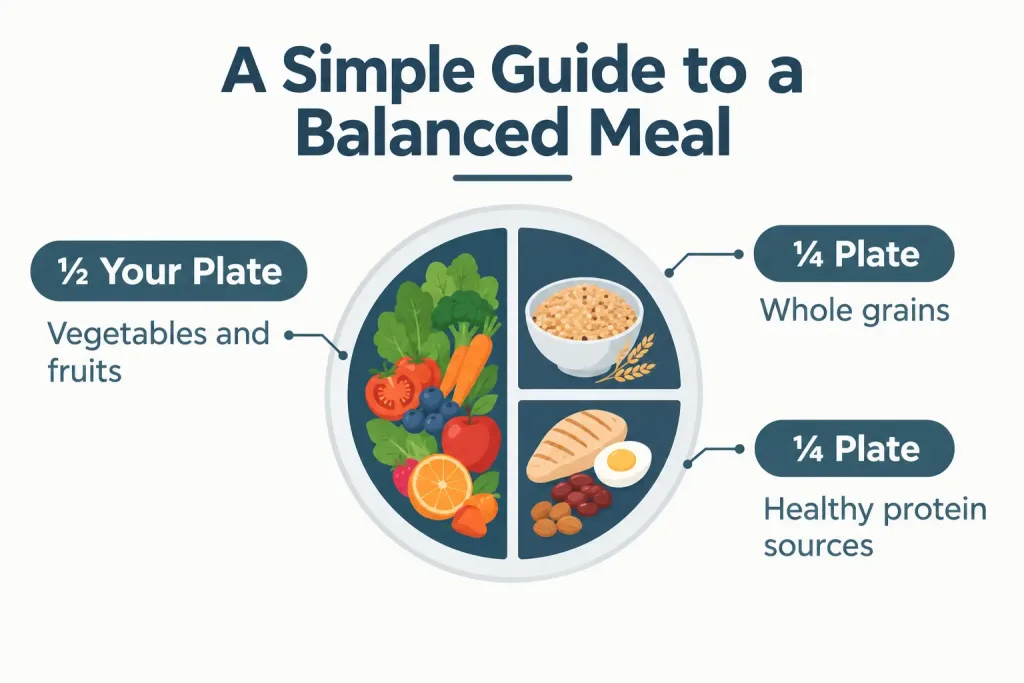
For example, a balanced lunch might include whole-wheat roti, lentils or chicken, a generous serving of vegetables, and plain yogurt.
The WHO recommends at least 400 grams of fruits and vegetables daily for people older than 10 years, along with sufficient fiber and a varied selection of nutritious foods.
Remember that no single meal needs to provide every nutrient. What matters most is the overall pattern of eating.
Healthy Eating Is About More Than Avoiding Unhealthy Foods
Choosing salads over fast food, reducing added sugar, and preparing meals at home can be excellent steps toward better health.
But truly balanced nutrition goes beyond making foods look healthy or keeping calories low.
Your body needs adequate protein, vitamins, minerals, fiber, fats, and energy to function properly. Missing one or more of these over time can affect your health, even if your eating habits seem healthy.
The most useful nutrition facts aren’t necessarily about the latest superfood or diet trend. They’re about understanding what your body needs and learning how to obtain those nutrients through everyday meals.
The goal isn’t to eat perfectly. It’s to eat well enough, with enough variety, to support your health over the long term.
Medical Disclaimer: This article is for educational purposes only and does not replace personalized medical or nutritional advice from a qualified healthcare professional.
Stay Updated
Get weekly RCM insights, trends and expert strategies delivered to your inbox.